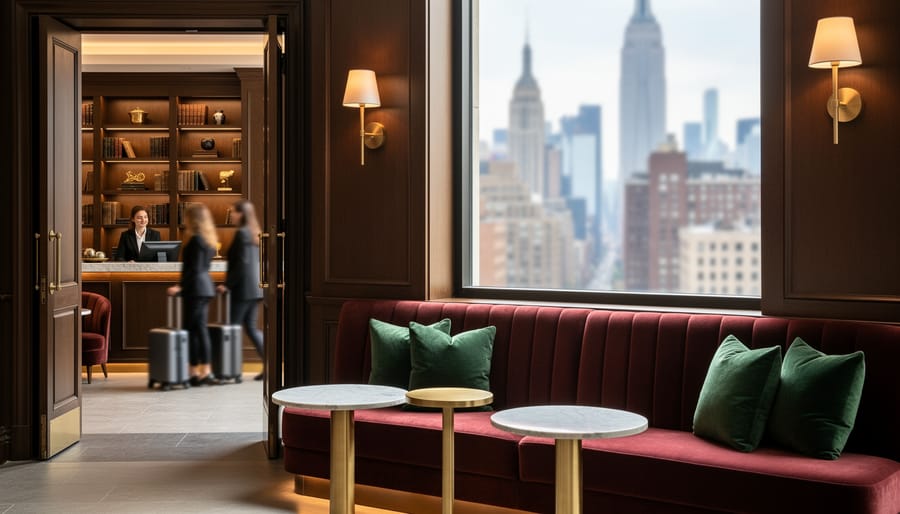
8 Best Boutique Hotels in NYC, Reviewed for 2026
New York City’s boutique hotel scene belongs to a handful of standouts that nail the balance between neighborhood character and genuine comfort, and after staying in dozens across Manhattan, we’ve narrowed the field to eight properties worth your booking dollars in 2026.
If you’re hunting for more than just a place to sleep, these hotels deliver. The Marlton Hotel brings literary Greenwich Village warmth with its velvet banquettes and library-like lobby, while The Bowery Hotel’s industrial loft aesthetic makes downtown feel like a design magazine come to life. Over in SoHo, Crosby Street Hotel blends British hospitality with bold, art-filled interiors that never feel stuffy. Budget travelers should look at The Jane Hotel, a nautical-themed gem in the West Village where tiny cabins start around $150, and Hotel Hugo, which trades room size for killer skyline views and a rooftop scene.
We tested each property for what actually matters: do the rooms feel special or just decorated, is the staff genuinely helpful or performing hospitality theater, and can you store your gear (including CBD products or vape pens, since many of you ask) without drama. The Ludlow and The Whitby both passed that practical test while maintaining distinct personalities, one leaning laidback downtown, the other whimsical midtown polish.
The real decision comes down to neighborhood vibe and what you’re willing to spend. Whether you want Upper East Side discretion at The Lowell or Lower East Side energy at The Ludlow, this guide breaks down each hotel’s strengths, quirks, and who should actually book it. We’ve also included a comparison table and transparent selection criteria so you can scan fast or dig deep depending on how you travel.
Our Top NYC Boutique Hotel Picks at a Glance
Here’s a quick snapshot of our eight favorite NYC boutique properties. We’ve stayed at each of these hotels over multiple trips to the city, and this table breaks down what sets them apart and who they’re best suited for. Use it to narrow your search before diving into the full reviews.
| Hotel Name | Neighborhood | Starting Price | Standout Feature | Best For |
|---|---|---|---|---|
| The Marlton Hotel | Greenwich Village | $$ | Historic literary charm with cozy European vibe | Culture lovers and writers |
| The Bowery Hotel | Lower East Side | $$$ | Industrial-chic design with spacious rooms | Design enthusiasts |
| Crosby Street Hotel | SoHo | $$$$ | Bold British design and impeccable service | International luxury seekers |
| The Ludlow Hotel | Lower East Side | $$$ | Floor-to-ceiling windows and neighborhood vibe | Relaxed downtown explorers |
| The Jane Hotel | West Village | $ | Ship-cabin rooms and rooftop bar | Budget travelers with adventurous spirit |
| The Lowell Hotel | Upper East Side | $$$$ | Residential suites with working fireplaces | Travelers seeking quiet sophistication |
| The Whitby Hotel | Midtown | $$$ | Whimsical design near Broadway theaters | Theater-goers and families |
| Hotel Hugo | SoHo | $$ | Rooftop views and social atmosphere | Social travelers and skyline enthusiasts |
Each property delivers something distinct beyond standard hotel amenities. The Marlton and Jane lean historic and quirky, while Crosby Street and The Lowell offer polished luxury. If you’re watching your budget, The Jane offers genuine character without the uptown price tag, whereas Crosby Street and The Lowell justify their premium with exceptional service and unique spaces.
How We Chose These NYC Boutique Hotels
We didn’t just compile a list from online reviews, we evaluated these eight properties based on direct experience staying in boutique hotels across Manhattan and a clear set of criteria that matter to real travelers. Each hotel earned its spot by excelling in specific areas that define the boutique experience.
First, we looked at design and character. A true boutique hotel shouldn’t feel like it could exist anywhere else. We prioritized properties with distinct personality, whether that’s the Marlton’s literary history, the Bowery’s industrial glamour, or the Jane’s nautical quirks. Each space tells a story through its interiors, artwork, and atmosphere rather than following a corporate template.
Service quality came next. Boutique hotels live or die by their staff’s ability to remember your name, anticipate needs, and solve problems without scripted responses. We favored properties where the concierge knows the neighborhood intimately and the front desk recognizes returning guests.
Location mattered enormously. We chose hotels embedded in authentic New York neighborhoods, Greenwich Village, SoHo, the Lower East Side, where you can walk out the door into the real city. Convenience to subways, dining, and cultural attractions factored into every pick.
Finally, we assessed value honestly. Boutique doesn’t always mean budget, but it should mean your money buys something you can’t get at a chain: intimacy, design vision, and an experience rooted in place. We included options across price points, from the Jane’s accessible rates to the Lowell’s suite-level luxury, ensuring each delivers on its promise.
1. The Marlton Hotel, Greenwich Village, Classic Literary Charm
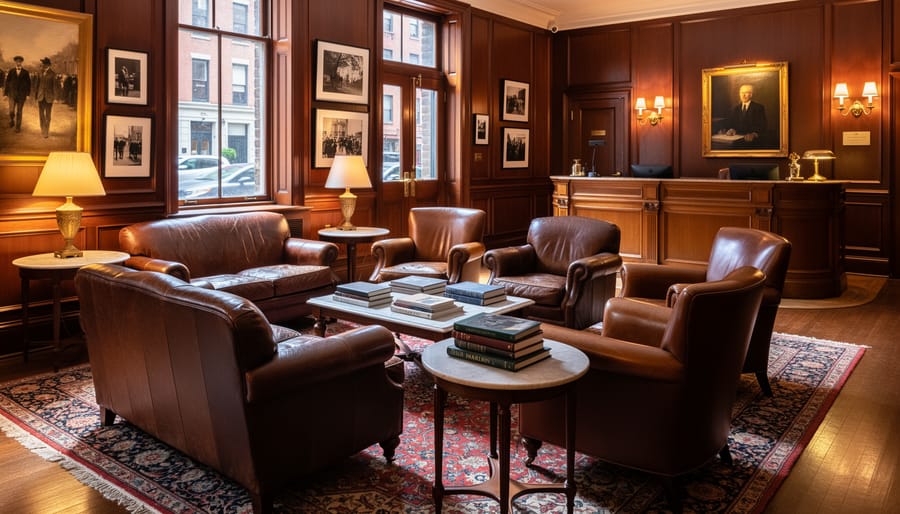
The Marlton Hotel sits on a tree-lined corner of West 8th Street, tucked into the heart of Greenwich Village in a building that once housed Jack Kerouac and other Beat Generation writers. We stayed here on a crisp October weekend and immediately understood why artists and writers gravitated to this spot, the lobby feels like a private club, all dark wood paneling, plush velvet seating, and soft lighting that makes you want to settle in with a book and a cocktail.
The rooms are small by modern standards, typically 150 to 200 square feet, but the design makes them feel intentional rather than cramped. Exposed brick walls, French doors opening to Juliet balconies on some rooms, vintage-inspired furnishings, and marble bathrooms create an atmosphere that prioritizes character over square footage. If you need space to spread out, this isn’t your property. If you want to feel like you’re living in a Parisian garret in the middle of Manhattan, it delivers.
Greenwich Village location is the real advantage here. You’re steps from Washington Square Park, independent bookstores, jazz clubs, and restaurants that have nothing to do with tourist traps. We walked to the Comedy Cellar in four minutes, stumbled into a poetry reading at a nearby cafe, and grabbed bagels from a corner shop frequented entirely by locals.
Rates typically start around $250 to $350 per night depending on season and room category, which positions the Marlton as mid-range for boutique properties. You’re not paying for amenities, there’s no gym, no room service, no concierge desk with white-gloved staff. You’re paying for literary history, Village access, and the kind of intimate atmosphere where the bartender remembers your drink order. Culture-focused travelers who value neighborhood authenticity over hotel facilities will find this property worth every dollar.
2. The Bowery Hotel, Lower East Side, Industrial-Chic Luxury
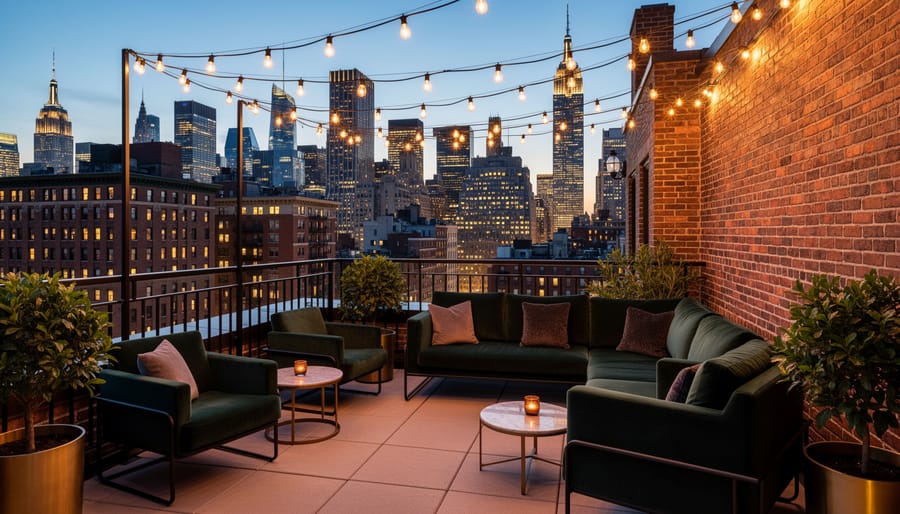
We stayed at The Bowery Hotel during a humid July visit, and stepping into the lobby felt like entering a velvet-lined time capsule where Gilded Age opulence collides with downtown grit. The space is all distressed leather Chesterfields, Persian rugs layered on worn wood floors, and iron factory windows that flood the room with Lower East Side light. It’s moody without being dark, lived-in without feeling tired, exactly the aesthetic that design-conscious travelers pay a premium to experience.
The rooms deliver on space, which is no small thing in Manhattan. Our king room stretched nearly 400 square feet with 12-foot ceilings, exposed brick, and a standalone bathtub positioned like sculpture near floor-to-ceiling windows. The design walks a careful line between industrial rawness and boutique comfort: reclaimed wood furniture, Italian Bellino linens, and enough velvet upholstery to remind you this isn’t a Williamsburg loft conversion. Blackout drapes actually work, a blessing when street noise picks up on weekends.
The rooftop doesn’t disappoint if you’re willing to share it with a well-dressed crowd. We grabbed evening drinks up there twice, and the skyline views paired with craft cocktails justified the scene. Ground-level Gemma restaurant stays busy with neighborhood regulars, which tells you something about the food quality beyond hotel-guest convenience.
Pricing fluctuates wildly. We’ve seen summer weekends climb past $600, while February weekdays sometimes dip to $375. Book directly through their site for occasional perks like late checkout, third-party platforms rarely secure those extras here. If you’re visiting during Fashion Week or major holidays, expect the high end of that range and limited availability. The Bowery rewards travelers who value atmosphere and room scale over cutting-edge amenities; there’s no gym or spa, just character and space.
3. Crosby Street Hotel, SoHo, British Elegance Meets NYC Edge
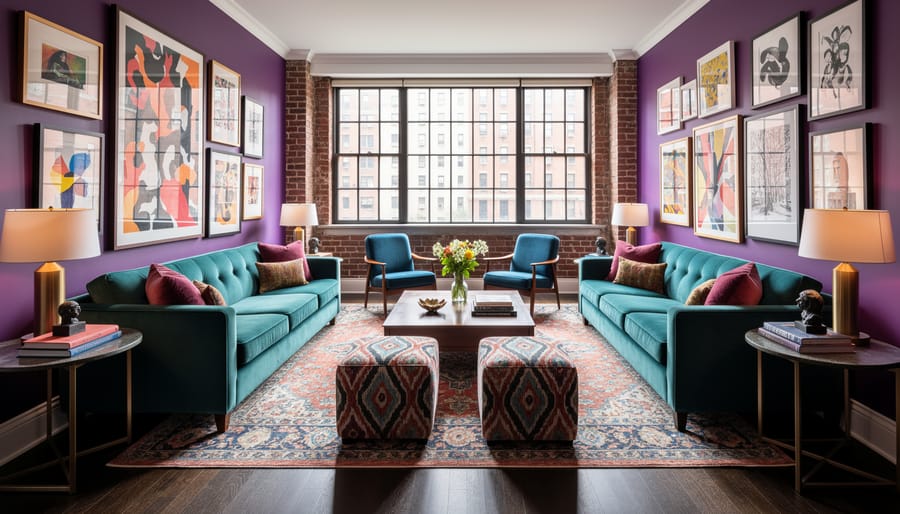
Crosby Street Hotel dropped us into a collision of British refinement and SoHo grit the moment we walked through the doors. This Firmdale Hotels property doesn’t apologize for its bold color palette, fuchsia velvet chairs sit beside peacock-blue walls, striped sofas anchor art-filled lounges, and no two rooms share the same design scheme. We stayed in a corner suite where hand-drawn wallpaper depicted New York street scenes in saturated jewel tones, a playful nod to the cobblestone neighborhood just outside.
The service felt genuinely attentive without hovering. Staff remembered our coffee preferences by day two and offered restaurant recommendations that actually matched our tastes, not just the usual tourist spots. The drawing room became our morning routine, we’d grab espresso and pastries while planning the day, surrounded by locals doing the same. It’s that residential feel that sets Crosby apart from typical luxury hotels.
Location-wise, you’re steps from SoHo’s best boutiques, Prince Street shopping, and the spring/canal street subway stops. We walked to Tribeca for dinner, hit galleries in Nolita before lunch, and never needed a cab. International travelers especially appreciate the familiar Firmdale touch, if you’ve stayed at their London properties like Covent Garden or Ham Yard, you’ll recognize the design DNA while still feeling rooted in New York.
The sculpture garden courtyard surprised us most. It’s a rare outdoor sanctuary in this packed neighborhood, perfect for morning coffee or an afternoon drink. Rooms start high (think $600-plus depending on season), but you’re paying for genuinely unique design, exceptional personal service, and a location that puts downtown Manhattan at your feet. This works best for travelers who value distinctive interiors and want boutique intimacy with five-star polish.
4. The Ludlow Hotel, Lower East Side, Laidback Downtown Cool
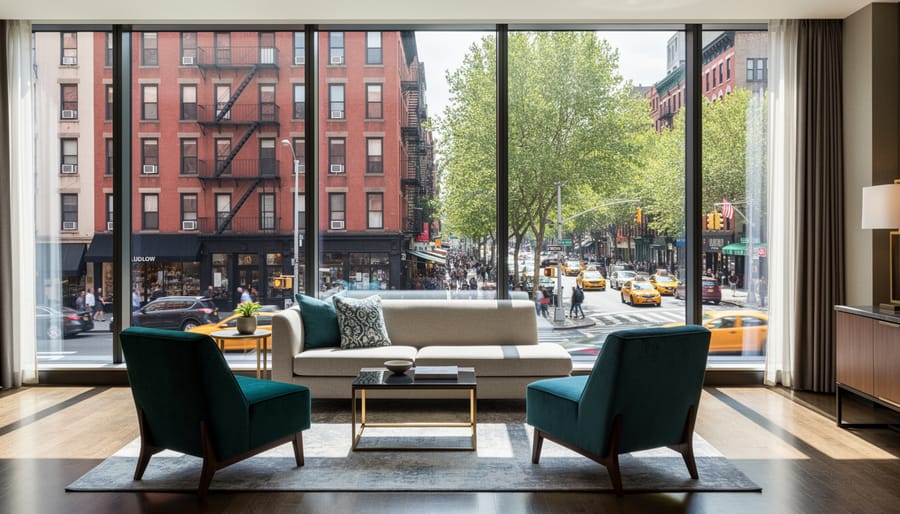
We stayed at The Ludlow in early spring, and it nailed the downtown vibe we were after, relaxed luxury without the stuffiness that can creep into upscale Manhattan properties. This 184-room hotel sits on the corner of Ludlow and Houston, and the location alone makes it a solid pick if you want to explore the Lower East Side, SoHo, and the East Village on foot.
The rooms are what sealed it for us. Floor-to-ceiling windows flood the space with natural light, and we had a clear view down Ludlow Street that felt like watching the neighborhood’s rhythm unfold. The design leans modern and understated, warm woods, neutral tones, custom furniture, without trying too hard. It’s comfortable enough to spend a lazy morning in, which we did after a late night out.
Dirty French, the hotel’s lobby-level restaurant, deserves mention. We grabbed dinner there one evening, and the North African-influenced French menu paired well with the moody, ornate interior. It’s a scene, but not intimidatingly so. Even if you don’t eat a full meal, the bar serves solid cocktails.
The real highlight was the terrace. We wandered up one afternoon with coffee, and the open-air space gave us a breather from street-level energy. It’s not a rooftop with sweeping skyline views, but it offers a rare outdoor lounging option in a dense neighborhood, and we appreciated the laid-back atmosphere, guests reading, chatting quietly, no rush.
This hotel works if you prioritize location and neighborhood immersion over polished service theatrics. Staff were friendly and low-key, which fit the vibe. You’re paying for access to one of Manhattan’s most walkable, evolving districts, and The Ludlow delivers that without fuss.
5. The Jane Hotel, West Village, Nautical Nostalgia on a Budget
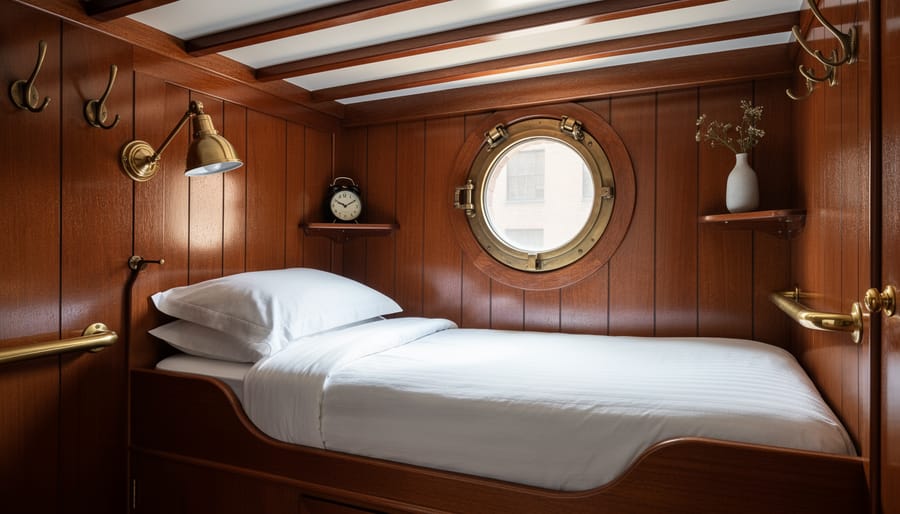
We stayed at The Jane Hotel on a freezing February night, and stepping into the lobby felt like boarding a vintage ocean liner, all dark wood paneling, maritime decor, and a vibe that’s more hostel-meets-history than polished luxury. Built in 1908 and once housing Titanic survivors, this West Village property embraces its nautical past with cabin-style rooms that feel authentically compact rather than apologetically small.
The famous “bunk rooms” are exactly what they sound like: tiny ship-cabin quarters with barely enough space to stand beside the twin bed. We’re talking genuinely small, think cruise ship interior cabin, not just “cozy hotel room.” There’s a sink in the room, but bathrooms are shared down the hall, which won’t suit everyone. The standard rooms offer more breathing room with private bathrooms, but still channel that shipboard aesthetic with portholes and timber accents. If you’re claustrophobic or need space to spread out, this isn’t your property.
What makes The Jane worth considering is the location-to-price ratio. You’re steps from the Hudson River Park bike path, walkable to Chelsea Market and the Meatpacking District, and in one of Manhattan’s most charming neighborhoods, all at rates that can run half what neighboring boutiques charge. The rooftop bar draws a lively crowd on weekends, which adds energy but also means potential noise if you’re directly below.
This property works best for adventurous travelers who prioritize neighborhood access over room amenities, solo explorers comfortable with the hostel-hybrid concept, or budget-conscious visitors who plan to spend minimal time in the room itself. If you’re staying in to relax or traveling with someone who values personal space, look elsewhere on this list.
6. The Lowell Hotel, Upper East Side, Understated Upper East Side Elegance
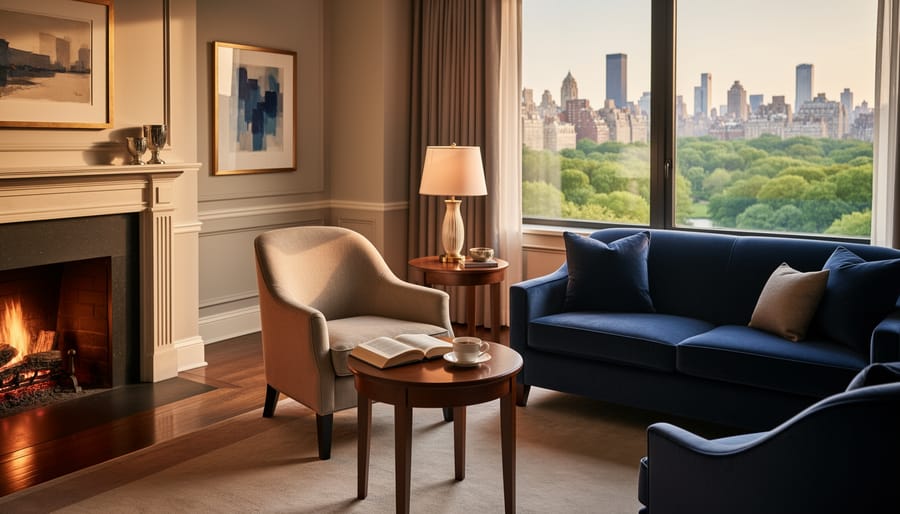
The Lowell sits on a quiet tree-lined street four blocks from Central Park, and stepping into the lobby feels like entering a wealthy friend’s Upper East Side apartment rather than a hotel. We stayed in one of their suites during a crisp October weekend, and the working wood-burning fireplace, a genuine rarity in Manhattan hotels, immediately set this property apart from sleeker downtown competitors.
The hotel offers exclusively suites, which makes it ideal for travelers who want separate living areas and the space to properly unpack. Our one-bedroom suite featured a full-size living room with a writing desk, a marble bathroom with both tub and separate shower, and a small kitchenette tucked behind louvered doors. The décor leans traditional, think chinoiserie wallpaper, antique mirrors, and plush upholstered furniture, but never feels stuffy. Everything is meticulously maintained, and the staff addresses you by name without the forced familiarity common at trendier properties.
The residential vibe extends to the service philosophy. There’s no bustling lobby scene or see-and-be-seen bar. Instead, you’ll find the Pembroke Room serving proper afternoon tea and a wood-paneled restaurant that feels like a private club dining room. This makes The Lowell perfect for travelers seeking refuge from Manhattan’s intensity, mature couples celebrating anniversaries, business travelers who need actual work space, or anyone applying solo travel tips who values peaceful evenings over hotel social scenes.
Book a suite on higher floors for better light and quieter nights. The hotel attracts guests who appreciate discretion, so expect a calm, cultured atmosphere rather than downtown energy.
7. The Whitby Hotel, Midtown, Whimsical Luxury Near Broadway
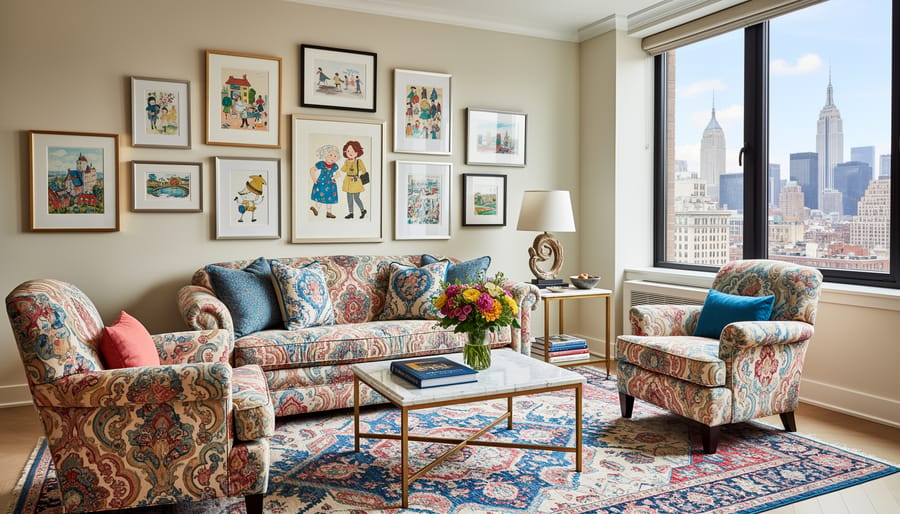
We’ve stayed at both of The Whitby’s sister properties in New York, but this Midtown location remains our favorite for theater lovers and families seeking whimsy with their luxury. Opened by Firmdale Hotels, The Whitby brings the same playful British design sensibility we appreciated at Crosby Street Hotel, think boldly patterned fabrics, contemporary art installations, and rooms that feel like a designer’s personal guest suite rather than a hotel chain template.
The location, steps from Central Park and the theater district, makes coordinating Broadway evenings seamless. We’ve never stressed about curtain times here; the walk to most venues takes under ten minutes. When flight schedules go sideways, something worth knowing how to handle delays if you’re connecting through Canadian airports, the hotel staff has always accommodated late check-ins gracefully, even offering to track flight status directly when we mentioned potential disruptions. Understanding flight delay compensation rules before traveling helps, too.
The afternoon tea service in the drawing room was a highlight during our last visit, proper scones, finger sandwiches, and a tea selection that put most Manhattan hotel teas to shame. Our daughter loved the whimsical touches in the family suite: striped armchairs, a freestanding bathtub, and artwork that sparked genuine conversation rather than just filling wall space.
The rooftop bar offers Midtown skyline views without the tourist-trap vibe, though we found it gets busy during pre-theater hours. Rooms feel spacious by Manhattan standards, with blackout curtains that actually work, critical after late curtain calls. The Whitby delivers sophisticated playfulness, making it ideal for travelers who want luxury without stuffiness and location without sacrificing character.
8. Hotel Hugo, SoHo, Modern Skyline Views and Social Spaces
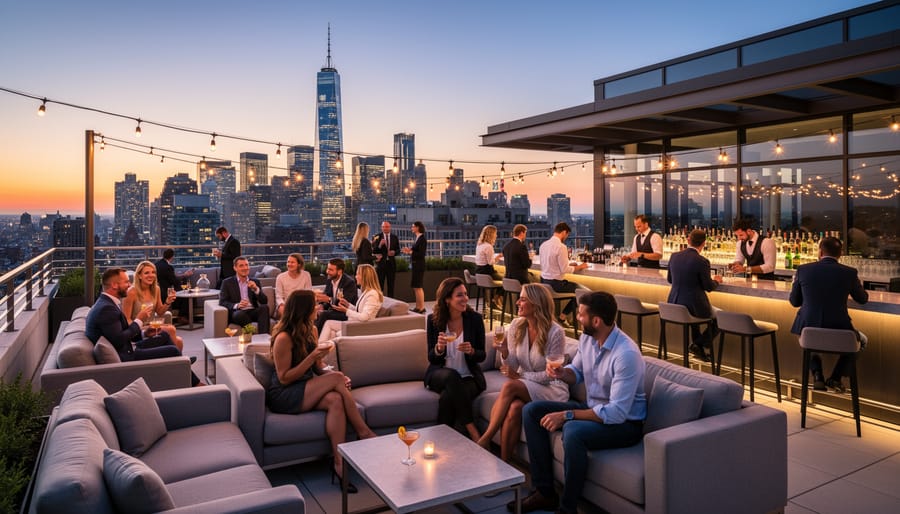
We discovered Hotel Hugo during a weekend when every SoHo property seemed booked solid, and what started as a backup choice became one of our favorite downtown finds. This 122-room hotel delivers exactly what social travelers want: spectacular views, vibrant communal spaces, and a price point that doesn’t require selling a kidney.
The rooftop bar, Rafele Rye, pulls the biggest crowds for good reason. Floor-to-ceiling windows frame Hudson River sunsets that compete with any expensive cocktail for your attention. We watched the light shift across the water one September evening while locals and hotel guests mingled at the bar, a rare scene where tourists don’t dominate. The space feels designed for lingering rather than Instagram-and-exit.
Rooms lean minimal and contemporary with clean lines, muted tones, and functional layouts that prioritize comfort over flashy design statements. Ask for a room ending in 06 or higher floors for river views; lower floors face buildings and feel cramped by comparison. The difference in natural light alone justifies the request when booking.
What sets Hugo apart is its unpretentious social atmosphere. The lobby buzzes with genuine conversation rather than performative networking. Staff recommended neighborhood spots we actually used instead of obvious tourist traps. For environmentally-conscious travelers, the hotel maintains transparent recycling programs and partners with local suppliers, details posted clearly rather than buried in greenwashing marketing speak.
The value equation works because you’re paying for location, views, and community vibe rather than marble bathrooms or turndown chocolates. Couples seeking quiet romance should look elsewhere, but if you want to feel connected to downtown energy without luxury hotel stuffiness, Hugo delivers that balance better than properties twice the price.
What Makes a Hotel ‘Boutique’? Key Features to Expect
You’ve probably walked past a boutique hotel and wondered what actually separates it from the Marriott down the street. We’ve stayed in dozens of both, and the difference isn’t just marketing spin. A boutique property operates on a fundamentally different model that shapes every part of your experience.
The clearest distinction is scale. Boutique hotels typically house fewer than 100 rooms, and many of the properties we reviewed cap out at 50 or 60. This limited inventory means the front desk staff actually remembers your name by day two, housekeeping notices your preferences without you filing a formal request, and the concierge builds recommendations around your actual interests rather than handing you a laminated card of tourist traps.
Design tells the story too. Where chains replicate the same beige palette across 400 locations, boutique properties commit to a specific aesthetic vision. The Marlton leans into literary Greenwich Village history with velvet and dark wood. The Whitby brings whimsical British touches that would never survive a corporate focus group. You’re paying for a designer’s point of view, not a committee’s compromise.
- Room count under 100, often under 60, enabling genuine personalized service
- Distinctive design reflecting neighborhood character or owner vision rather than corporate templates
- Independent or small-group ownership prioritizing experience over operational efficiency
- Deep neighborhood integration with local restaurant partnerships and area expertise
- Flexibility on guest requests, including accommodating vape travel rules or answering questions about how to fly with vape devices
- Curated amenities chosen for guest value rather than franchise requirements
The neighborhood connection matters more than most travelers realize. Boutique properties survive by becoming part of the local fabric. The staff knows which bakery opens earliest, which bar the locals actually drink at, and how to navigate the block’s quirks. They’ll store your shopping bags, hold a table at the restaurant next door, or help you understand New York-specific logistics like whether you can travel with medical marijuana through state lines.
This intimate approach costs more to operate, which explains the premium. You’re funding a higher staff-to-guest ratio, custom furnishings that can’t be bulk-ordered, and the flexibility to bend standard hotel rules when it makes sense. Whether that trade-off works for you depends on how much you value feeling like a guest in someone’s thoughtfully designed home versus an efficient transaction at a predictable chain.
Booking Tips: Getting the Best Value at NYC Boutique Hotels
Booking boutique hotels in NYC requires strategy beyond simply clicking the first rate you see. We’ve learned through trial and error that timing and approach significantly impact both price and experience quality.
- Book during shoulder seasons (late January through March, late August through October) when rates drop 20-40% compared to holiday periods and summer peaks. We’ve found exceptional deals at properties like The Marlton Hotel during February and September.
- Check the hotel’s direct website first, then compare with OTAs. Many boutiques, including The Lowell Hotel and Crosby Street Hotel, offer exclusive perks when booking direct, complimentary breakfast, room upgrades, or flexible cancellation.
- Ask about package deals that bundle experiences you’d book anyway. The Whitby Hotel often includes theater tickets, while Hotel Hugo packages rooftop bar credits that offset the nightly rate.
- Request specific room categories rather than accepting base assignments. At properties like The Bowery Hotel, “standard” rooms vary dramatically, some face noisy streets while others overlook quiet courtyards.
- Join the property’s loyalty program if you’re booking multiple nights or return visits are likely. Unlike chain programs, boutique loyalty often brings genuine recognition and meaningful upgrades.
- Book refundable rates for stays more than 60 days out, then monitor prices weekly. We’ve rebooked the same room at The Ludlow Hotel three times as rates fluctuated, saving nearly $200 per night.
The biggest mistake we made early on was booking Friday-Saturday stays at premium rates when Sunday-Thursday offered identical rooms for 30% less. Properties like The Jane Hotel see dramatic weekend premiums that don’t reflect any difference in service or amenities. If your schedule allows flexibility, midweek stays deliver significantly better value at every property on our list.
What to Watch For
Most boutique properties advertise rooms that feel spacious in photos but translate to 200-250 square feet in reality, standard for Manhattan, yet tight if you’re hauling multiple suitcases or staying longer than a weekend. Check actual square footage before booking, especially if you need workspace or plan to spend more than sleeping hours in the room.
Elevator situation matters more than you’d expect: older buildings like The Marlton and The Jane sometimes have one small lift serving six floors, leading to lobby waits during checkout rush. Ground-floor or low-floor rooms solve this but sacrifice skyline views at properties like Hotel Hugo where the upper floors deliver the real visual payoff.
Expect limited on-site dining, many boutiques skip full restaurants in favor of lobby cafes or partner arrangements with neighboring spots. That’s fine for experiencing the neighborhood, less convenient when you’re jet-lagged at 6 a.m. craving coffee without venturing outside. Properties like The Bowery and The Ludlow buck this trend with strong in-house food programs.
Boutique Hotels in Nyc Terms to Know
Understanding the language of boutique hotels helps you navigate booking sites and property descriptions with confidence. While boutique properties pride themselves on being different from chains, they share common terminology that signals what to expect from your stay.
- Limited Key Count
- Boutique hotels typically offer fewer than 100 rooms, often 30-60, ensuring personalized service and a more intimate atmosphere than large chain properties. This smaller scale allows staff to remember guest preferences and creates a residential feel.
- Bespoke Design
- Each boutique property features unique, often locally-inspired interior design rather than corporate templates, from custom furniture to curated art collections. Expect one-of-a-kind spaces that reflect the neighborhood’s character or the owner’s vision.
- Soft Goods
- Industry term for linens, towels, robes, and bedding, boutique hotels invest heavily here, often featuring high-thread-count sheets, plush towels, and luxury bath products unavailable in chain properties. Quality soft goods signal a property’s attention to tactile comfort.
- Room Categories
- Boutique hotels rarely use standard “king” or “double” naming, instead creating poetic categories like “cozy,” “petite,” or “signature” that describe both size and style. Always check square footage since “cozy” often means genuinely small.
- Turndown Service
- Evening housekeeping that prepares your room for sleep, dimming lights, closing curtains, leaving chocolates, refreshing towels. Many boutiques still offer this personal touch that larger hotels have abandoned.
When you encounter these terms during booking, you’re seeing signals of a property’s boutique identity. The language boutique hotels use distances them from corporate hospitality while setting expectations for intimate, design-forward experiences. Properties that emphasize “limited keys” and “bespoke design” in their marketing are highlighting their differentiation from the Marriotts and Hiltons of the world, promising something more personal than predictable.
Common Questions About NYC Boutique Hotels
We’ve stayed at each property on this list and fielded plenty of questions from fellow travelers about what boutique hotels actually deliver. Here’s what you need to know before booking.
Are boutique hotels worth the premium over chain properties?
If you value unique design, personalized service, and staying somewhere with genuine character, absolutely. You’re paying for an experience and atmosphere that cookie-cutter chains simply can’t replicate, though you might sacrifice some standardized amenities.
Do boutique hotels have gyms and full amenities?
It varies widely. Larger properties like The Bowery and Crosby Street Hotel offer fitness centers, while smaller spots like The Marlton and The Jane skip gyms entirely to preserve their intimate character. Always check listings before booking if specific amenities matter to you.
How far in advance should I book?
We recommend 4-6 weeks for regular travel, but 2-3 months ahead for peak seasons like December holidays or Fashion Week. Properties like The Lowell with limited rooms sell out faster than larger boutiques.
Are boutique hotels family-friendly?
Some work better than others. The Whitby and Crosby Street Hotel welcome families with connecting rooms and flexible service, while The Jane’s tiny cabin rooms and The Ludlow’s bar-centric vibe suit adults better.
Regarding special requests, most boutique properties pride themselves on accommodation. We’ve never had issues with CBD product storage at any of these hotels, front desks will typically hold items in safe storage if you ask. Vaping policies mirror New York’s smoking laws, meaning designated outdoor areas only, though some properties like Hotel Hugo have rooftop spaces where it’s permitted.
Pet policies split roughly down the middle. The Bowery, Crosby Street, and The Lowell all welcome dogs with advance notice and sometimes a fee, while The Jane and Marlton maintain no-pet policies due to size constraints.
For accessibility, newer or renovated properties like Hotel Hugo and The Whitby offer ADA-compliant rooms and elevators. Older buildings like The Jane present challenges with narrow hallways and compact spaces. Contact properties directly about specific mobility needs, as boutique hotels handle accessibility more individually than chains with standardized setups.
New York City’s boutique hotels deliver something the big chains simply can’t replicate: genuine character shaped by neighborhood culture, design vision, and the kind of personal service that remembers your name. We’ve found that staying at properties like The Marlton’s literary haven or The Bowery’s industrial-chic retreat creates a sense of place that standard luxury brands miss entirely. You’re not just booking a room, you’re choosing an experience tied to a specific corner of Manhattan.
While top luxury hotels in British Columbia offer immersive wilderness and natural grandeur, NYC’s boutiques thrive on intimate urban sophistication, putting you inside the city’s creative energy rather than insulating you from it. Each property on this list reflects its neighborhood’s personality, from Greenwich Village’s bohemian legacy to the Upper East Side’s quiet elegance.
Choose your hotel based on which neighborhood vibe matches your travel style, not star ratings or brand recognition. The right boutique property turns your accommodation into part of the adventure, connecting you to New York in ways a corporate tower never will.