Management Airlines Review 2026: What Air Canada’s Fares, Carry-Ons and Seat Fees Mean for You
Air Canada is a solid pick if you pack light and you’re willing to pay for the fare that matches your trip, but the cheapest ticket is where the trouble starts. The airline says it will bar carry-on bags for its lowest-fare customers and add a seat selection fee for them starting Jan. 3. That single change decides whether a low fare is actually a deal.
Here’s the practical side. Standard carry-on size is 55 x 40 x 23 cm (21.5 x 15.5 x 9 in), and that includes the wheels and handles, which is where a lot of travelers get caught at the gate. You also get one personal item at 16 x 33 x 43 cm, so measure that backpack before you commit to it. On the Standard fare, picking a Standard seat costs a fee on flights within Canada and to or from the U.S., plus select international itineraries. Other itineraries on that fare get free Standard seat selection.
I’ve watched a friend repack in the check-in line after a surprise bag rule, and it’s a miserable way to start a trip. We’ll walk through who this airline suits, how fares and fees stack up, and how we judged it, so you can book with your eyes open.
The Verdict: Is Air Canada Worth It in 2026?
Here’s my honest take after weighing how Air Canada’s fares actually play out for travelers: it can be a good choice, but only if you pay attention to which fare you’re clicking. The airline’s approach is fare-based, so the experience you get is tied directly to whether you book Basic or Standard. That one decision shapes almost everything else.
On Basic, there’s a fee for choosing a Standard seat, so if you care about where you sit, that’s a cost to plan for. Standard fare softens this. Picking a Standard seat still costs a fee on flights within Canada and to or from the U.S., and on select international itineraries, but on all other itineraries under Standard fare, Standard seat selection is free. And there’s a bigger shift coming: Air Canada has said that starting Jan. 3, its lowest-fare customers will not be able to bring carry-on bags and will pay a seat selection fee.
So is it worth it? For travelers who read the fare details before booking, yes, I’d say it’s a reasonable pick. The surprise costs usually come from assuming the cheapest option includes the basics. Choosing carefully is the biggest lever you have, and it takes about two minutes at checkout.
I’d skip treating this as a simple good-or-bad call. The airline works well when your fare matches your trip, and it gets frustrating when it doesn’t.
Who Air Canada Suits Best (and Who Should Double-Check First)
Air Canada works well for a lot of people, but which fare fits depends on how you travel. Here’s how I’d sort it out.
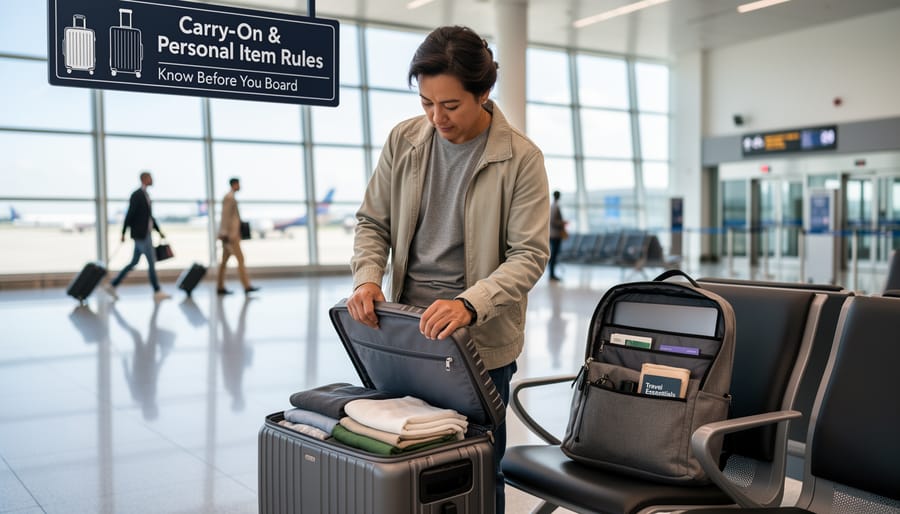
A quick term first: a “personal item” is the smaller bag that goes under the seat in front of you. Air Canada’s standard allowance lists it at 16 x 33 x 43 cm, so think slim daypack, not a duffel.
- Light packers who can live with a personal item only: the lowest fare can work, but check its carry-on rules first.
- Families and gear-heavy adventure travelers: a fare that includes the standard 55 x 40 x 23 cm carry-on is usually the safer bet.
- Groups who want to sit together: budget for the seat selection fee that applies on Basic fare.
- Anyone who wants to travel with CBD or bring a vape: confirm the current rules before you pack, since they can vary by route.
The “double-check first” crowd is mostly people for whom the cheapest ticket quietly leaves things out. Air Canada has said that starting Jan. 3, its lowest-fare customers won’t be able to bring carry-on bags and will pay a seat selection fee. If you’re hauling layers, a camera, or hiking gear, that changes the math fast.
Here’s the tip I wish I’d followed years ago: match the fare to the trip, not the other way around. A weekend getaway with a small backpack can handle the bare-bones fare. A week of cold-weather adventure usually can’t. Decide what you’re bringing and where you want to sit, then pick the fare that covers it.
How We Chose What to Evaluate: Our Criteria for Airline Service and Amenities
When I put this review together, I didn’t want to guess my way through an airline’s fine print. So I chose to evaluate only the things that directly affect what you pay and how comfortable your trip feels, and that could be verified from Air Canada’s own policies. That’s what “How We Chose” means here: a deliberate filter, not a lab test.
Here’s the order I ranked the criteria, and why each earned its spot:
- Fees and surcharges: these change the real cost of a ticket more than the fare itself does.
- Carry-on and personal item rules: size limits decide what you can bring into the cabin without paying extra.
- Seat selection policy: whether you pay to choose a seat affects both budget and sitting with your group.
- Baggage guidance: knowing the general rules helps you pack with fewer surprises at the airport.
I want to be upfront about the gaps. Current amenities, seat features, wifi availability and checked baggage policy were not verified for this piece, so I won’t describe them. For those details, please check Air Canada’s official pages before you book. Policies shift, and a quick look at the source is always smarter than relying on any review, including this one.
Price and Value: Basic vs. Standard Fares Explained
Seat Selection: When You’ll Pay and When It’s Free
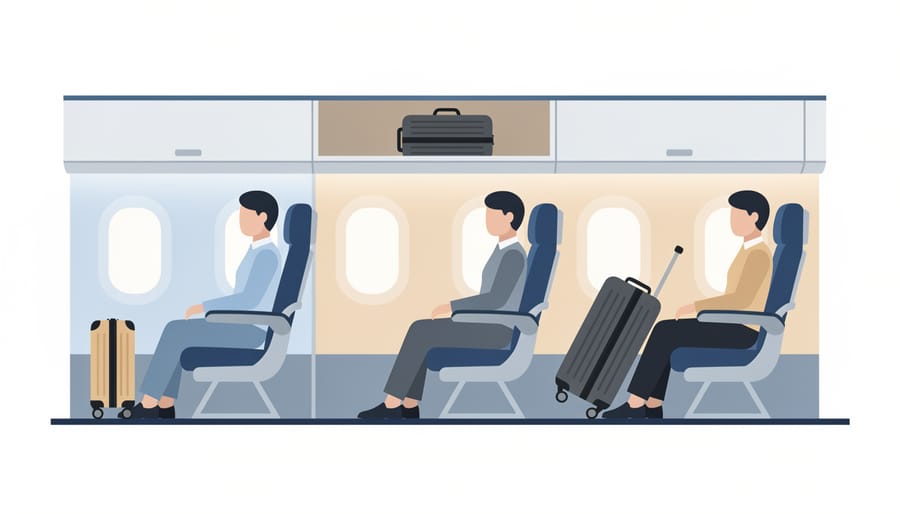
Seat selection is where the fare you pick starts to matter. On Basic fare, Air Canada charges a fee if you want to choose a Standard seat. On Standard fare, it depends on where you’re flying: you’ll pay a fee for a Standard seat on flights within Canada and to or from the U.S., plus some select international itineraries. On all other itineraries under Standard fare, choosing a Standard seat is free. Air Canada has also said it will add a seat selection fee for its lowest-fare customers starting Jan. 3, and you can read more about the seat selection fee rules before you book.
If you’re traveling with kids or a group, don’t leave seating to chance. Pick seats for everyone during booking, and budget for that cost up front so it doesn’t surprise you later.
Carry-On and Personal Item Performance: What Actually Fits
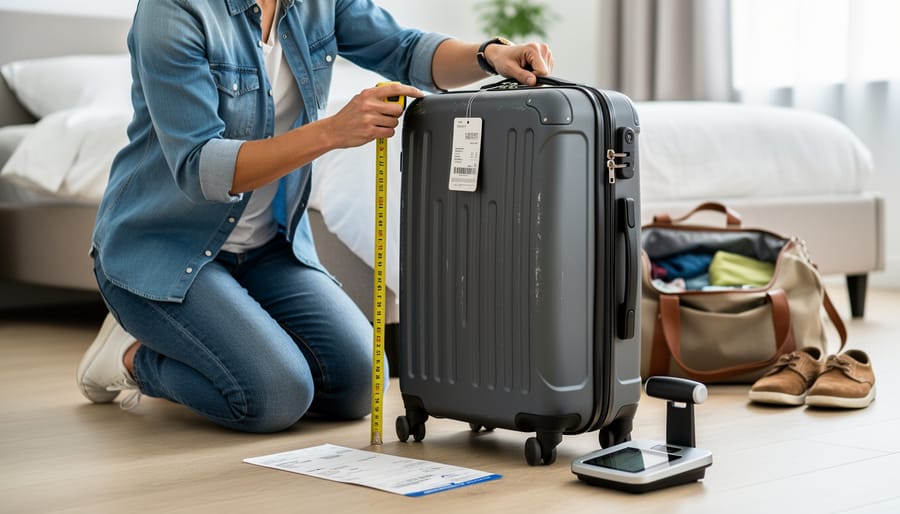
Air Canada’s standard carry-on allowance is 55 x 40 x 23 cm (21.5 x 15.5 x 9 in), and that number includes the wheels and handles. That last part trips people up. I once pulled out a tape measure at home, feeling smug about my “carry-on sized” bag, only to find the wheels alone pushed it past the limit. Ten minutes of repacking into a slimmer bag saved me an awkward moment at the gate.
The personal item is the smaller piece, at 16 x 33 x 43 cm. In plain terms, that’s a small bag that fits under the seat in front of you, like a compact backpack or a slim tote. It isn’t a full daypack stuffed to the zippers.
If you’re an adventure traveler, the personal item is where packing gets creative. A few things worth trying:
– Wear your bulkiest layer, like a fleece or light jacket, instead of packing it. It frees up real space.
– Choose a slim daypack over a boxy one, since soft sides squeeze under a seat more easily.
– Keep camera gear in a padded pouch that nests inside your bag rather than carrying a separate camera case.
– Pack small items you’ll want in flight, like a charger or snacks, on top for easy reach.
Soft, compressible bags tend to be more forgiving than rigid ones, so I lean toward them when I’m trying to stay light.
One more thing before you zip up. If you’re traveling with CBD or vape products, rules can differ depending on where you’re flying from and to, and they can change. It’s worth checking the current guidance from Air Canada and the relevant authorities before you pack, so there are no surprises at security.
Common Questions About Flying Air Canada
I get a lot of the same questions from fellow travelers, so here are quick answers based on what I could verify. Anything I couldn’t confirm, I’ll point you to Air Canada’s official pages for.
What size is Air Canada’s carry-on?
The standard carry-on allowance is 55 x 40 x 23 cm (21.5 x 15.5 x 9 in), and that includes wheels and handles. Measure the whole bag, not just the main compartment.
What counts as a personal item?
It’s the smaller bag that goes with your carry-on, and Air Canada lists it at 16 x 33 x 43 cm. Think slim daypack or small tote that tucks under the seat in front of you.
Do I have to pay to pick a seat?
It depends on your fare. On Basic, Air Canada charges a fee to choose a Standard seat. On Standard fare, you pay on flights within Canada, to and from the U.S., and on select international itineraries, while other itineraries get free Standard seat selection.
Can I bring a carry-on on the lowest fare?
Air Canada says it will bar carry-on bags for its lowest-fare customers starting Jan. 3, along with adding a seat selection fee. Double-check your fare rules before you pack.
For checked baggage, amenities, wifi and seat features, I haven’t verified the current details, so I won’t guess. Air Canada’s official site is the best place to confirm those, ideally right before you book and again before you fly, since rules can shift.
A little habit that’s saved me headaches: screenshot the baggage and seat terms on your fare at the time of booking. If something looks different at the airport, you’ll have a clear reference to work from.
Before you book your next Air Canada flight, take two minutes to read your fare type carefully. That one habit does more to protect your budget than any packing hack. Measure your bags at home too: the standard carry-on is 55 x 40 x 23 cm including wheels and handles, and the personal item is 16 x 33 x 43 cm. And if you care where you sit, budget for seat selection, since a fee can apply depending on your fare and itinerary.
Travel rarely goes perfectly, and that’s okay. If a flight does go sideways, it helps to know how to track Air Canada delays and what you may be owed in delay compensation.
Fees and rules can change, so confirm current policies on Air Canada’s official site before you go. Then pack light, pick your fare with intention, and enjoy the trip.