
9 Travel Tips for Toronto That Make Your Trip Smoother
Toronto is easy to enjoy if you sort out five things early: how you’ll get from Pearson to your bed, how you’ll move around the city, which neighborhood fits your style, what to pack for the season, and what the rules say about any CBD or vape products in your bag. Get those right and the rest of the trip mostly takes care of itself.
I learned this the slow way on my first visit, when a delayed arrival and a bag full of the wrong layers turned my first evening into a scramble. Now I plan arrival logistics before I board, and I always track flight delays so my airport transfer and check-in don’t fall apart if the schedule shifts.
The nine tips below come from that kind of trial and error, plus a lot of problem-solving on the ground. We chose them because they answer the questions first-timers ask most: getting around on the TTC and PRESTO, picking a base, sightseeing beyond the CN Tower, a greener escape to the Toronto Islands, a Niagara Falls day trip, and basic money matters like taxes and tipping. Each one is short, practical, and easy to skim before you go.
How These Toronto Travel Tips Were Chosen
I didn’t want a generic checklist, so I chose each tip by asking one question: does it solve a problem a real traveler runs into? Getting from Pearson into the city, figuring out the TTC, dressing for weather that can flip in a day, and carrying items like CBD or vape products without a headache all made the cut, because they trip people up again and again.
I also kept only tips that work in any season. A winter trip and a July trip look very different, but the logic behind good planning stays the same. Nothing here assumes you’ve traveled much before, so you can use it whether Toronto is your first big city or your fifth.
Because this guide sits within Unique Travel Tips for Canada, I leaned toward options that suit adventure-seekers and eco-minded travelers: transit over cars, car-free island paths, and smarter sightseeing.
1. Plan Your Airport Arrival Before You Land at Pearson
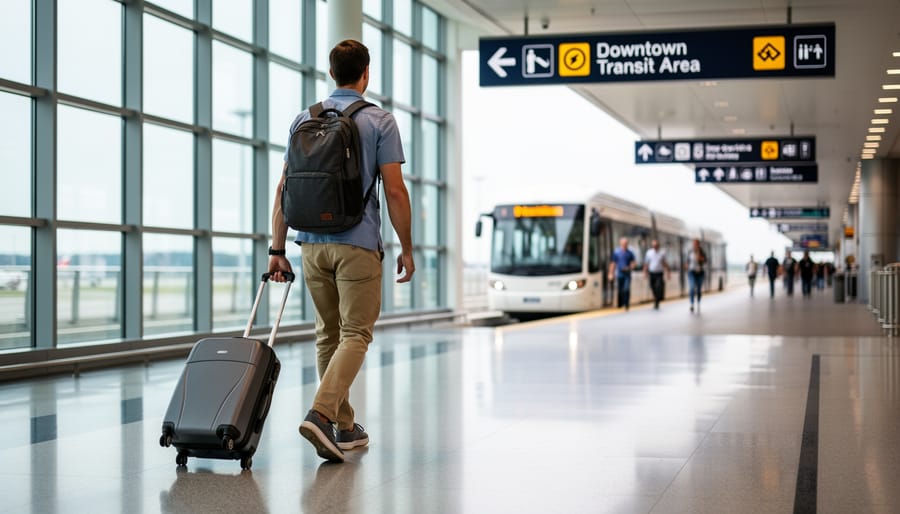
My first time landing at Pearson, I assumed I’d be downtown within the hour. I wasn’t. Customs lines, a slow baggage carousel, and a confused search for the right exit ate up nearly two hours before I even found a ride. Now I never book anything tight on arrival day.
You have three simple choices for getting into the city, and the best one depends on your luggage, budget, and where you’re staying:
- UP Express train: fast, predictable, and not affected by road traffic, running straight to Union Station downtown.
- TTC buses: the most budget-friendly option, with connections to the subway network.
- Rideshare or taxi: door-to-door convenience, especially useful with heavy bags or a late-night landing.
The train usually makes the most sense if you’re staying downtown and want to skip traffic. Buses suit travelers packing light who don’t mind a transfer or two. A rideshare or taxi earns its cost when you’re traveling in a group, arriving late, or heading somewhere that’s awkward to reach by transit. Fares vary, so check current rates on the official sites before you go.
Here’s the practical tip: build in buffer time. Customs and baggage claim can take far longer than the flight itself suggests, especially at busy hours. Schedule hotel check-ins, dinner reservations, or tours at least two to three hours after your landing time, and you’ll arrive relaxed instead of racing the clock.
2. Use the TTC and PRESTO to Get Around Like a Local
Toronto’s public transit, run by the TTC (Toronto Transit Commission), is one network built from three parts. Subways handle the long north-south and east-west runs, streetcars crawl along busy downtown streets, and buses fill in everything else. Most trips mix at least two of them, and that’s where the confusion starts.
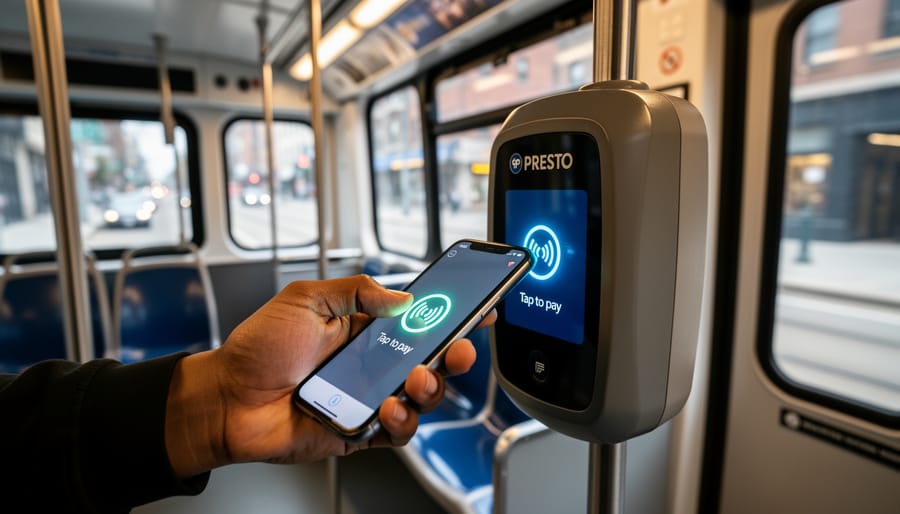
Pay with a PRESTO card, a reloadable transit card you tap on a reader when you board, or simply tap a contactless credit card, debit card, or phone. Tap payment saves you from buying a card you’ll only use for a few days. Whichever you pick, use the same one every time. Switch cards mid-trip and the system treats it as a brand-new fare.
That matters because of transfers. Tap once to start your trip, and you can usually move between subway, streetcar, and bus within a set time window without paying again. Tap in again when you board the next vehicle so the system can track your trip.
Streetcars stop in the street, so wait at the marked stop and don’t assume it will pull up at the curb. Rush hour, roughly 7:30 to 9:30 a.m. and 4 to 6 p.m. on weekdays, gets packed, so a short wait for the next train is often worth it.
Leaving the rental car behind also keeps your trip lower-emission, and you’ll skip downtown parking headaches too.
3. Pick Your Neighborhood Base to Fit Your Travel Style
Your neighborhood base shapes the whole trip, so it helps to match it to how you like to travel. First-timers usually do well downtown, where the major attractions, restaurants, and subway lines sit close together. You can walk to a lot and reach almost everything else with a single ride.
If lake views are the draw, the waterfront puts you near the harbour, the ferry docks, and breezy lakeside paths. It’s a lovely choice for slower mornings and sunset strolls.
Queen West and Kensington Market suit travelers who want local character. Expect independent shops, murals, music, and cafes that feel distinctly Toronto. Both are easy to explore on foot and well served by streetcars.
Budget travelers can look at areas near subway stations. A slightly quieter base with fast transit access often costs less than staying beside the big sights, and you still reach downtown in minutes.
Whichever area you choose, check the cancellation policy before you book, since flexible rates make it easier to adjust if plans change. Look at the walking distance to the nearest TTC stop, too.
If you’re bringing wellness or personal items, sort that out before you choose a hotel. Our guides cover how to travel with vape gear, how to travel with CBD oil, and what the medical marijuana rules look like, so your accommodation fits your plans.
4. Pack for Toronto’s Changing Weather Year-Round
Toronto’s weather can swing hard, sometimes within a single day, so I pack in layers and plan for the unexpected. I learned this on an early spring trip, when I left the hotel in a light jacket under a bright sky. By afternoon the wind off Lake Ontario had turned raw and a cold drizzle set in. I spent the rest of the day shivering and ducking into cafés just to warm up.
Here’s what I’d pack for each season:
- Winter: a insulated coat, thermal base layers, a hat, gloves, and a scarf to handle wind chill.
- Summer: breathable, lightweight clothing, sunscreen, and a refillable water bottle for humid days.
- Spring: a mix-and-match set of layers you can add or shed as temperatures shift.
- Fall: a warm mid-layer plus a light jacket for crisp mornings and milder afternoons.
Two items earn their space in any season. Waterproof footwear keeps you comfortable on slushy sidewalks and rainy streets, and a compact rain layer folds into a daypack without fuss. Since Toronto is a walking and transit city, dry feet and a dry torso make the difference between a good day out and a miserable one.
5. Know the Rules Before Traveling With CBD or Vape Products
If you’re packing CBD or vape products, this is the one tip worth sorting out before you leave home. Rules can differ depending on whether you’re boarding a flight, crossing a border, or simply using a product once you’re in the city. A product that’s fine in one setting can cause trouble in another, and there’s no way to know which until you check.
Start with the paperwork you can control. Keep every item in its original, labeled packaging so it’s clear what it is and who made it. Loose or unmarked containers invite questions at security. Pack with the airline in mind too. Look up the carrier’s guidance and your departure and arrival airports’ pages before you pack, since battery rules for vapes and limits on liquids often apply to carry-on and checked bags differently.
Border crossings deserve extra attention. Cannabis-related products are treated seriously, and the CBSA border rules for cannabis are a good place to understand what officers expect from travelers.
When something is unclear, the simplest fix is often to leave the item at home. Once you land, check local use rules before you light up or pull out a device, because where you can use these products can be more limited than you’d expect.
6. Get Beyond the CN Tower With Smarter Sightseeing
Toronto’s headline attractions are worth the visit, but they run much more smoothly with a little planning. The CN Tower, the Royal Ontario Museum, and Ripley’s Aquarium of Canada all draw big crowds, and the CN Tower and Ripley’s Aquarium offer timed tickets you can book online. Reserve a slot before you go, and you’ll skip the longest waiting lines and avoid wasted hours standing outside.
Timing matters just as much. Arrive when doors open, or aim for a weekday, and you’ll share the space with far fewer people. Early mornings also give you the clearest views from the tower, since haze often builds later in the day.
Bundling saves energy too. The CN Tower and Ripley’s Aquarium sit practically side by side near the waterfront, so pairing them in one outing cuts down on transit and backtracking. The Royal Ontario Museum is farther north, so it fits nicely into its own half day.
For adventure-seekers, the Distillery District is a great low-key addition. Its restored Victorian brick lanes are car-free, full of galleries and small shops, and perfect for wandering without a plan. Pair it with an easy stroll along the waterfront, and you’ll see a side of the city that many first-timers miss.
7. Take the Ferry to the Toronto Islands for a Greener Escape
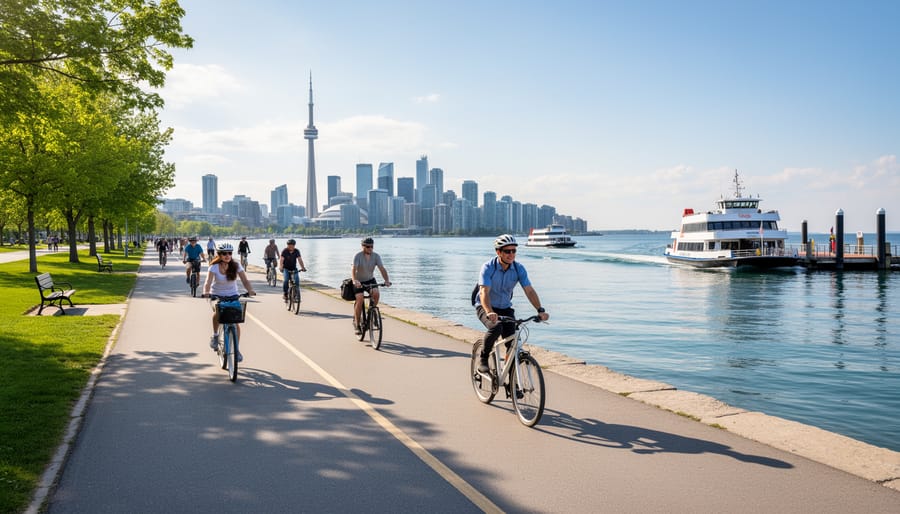
The Toronto Islands are one of the easiest ways to feel like you’ve left the city without actually leaving it. A short ferry ride from the foot of Bay Street takes you to a chain of car-free islands with beaches, quiet paths, and some of the best skyline views around. Because there are no cars to speak of, it’s a low-impact day out that suits eco-minded travelers and adventure-seekers alike.
A few practical tips make the trip smoother:
– Check ferry schedules before you go. Sailings vary by season and day, and lines can build on sunny weekends, so arriving early helps.
– Rent a bike once you’re on the islands. Flat, paved trails make it an easy way to cover more ground, and you can stop wherever a view catches your eye.
– Bring water and snacks. Food options can be limited and busy at peak times, so a refillable bottle and a packed lunch go a long way.
– Pick a return ferry in advance so you’re not rushing to catch the last boat.
Pack a light layer too, since the breeze off the lake can feel cooler than it does downtown.
8. Plan a Day Trip to Niagara Falls Without the Hassle
Niagara Falls is one of the easiest day trips from Toronto, and you have three simple ways to get there. GO Transit offers bus and seasonal train service to the Falls, which suits travelers who want to skip parking and traffic. Organized tours bundle transport, timing, and often a boat ride, so they work well if you’d rather not plan the details. Driving gives you the most flexibility to stop at wineries or small towns, though you’ll need to budget for parking near the Falls.
Whatever you choose, timing matters more than transport. Leave early, ideally before the morning rush, and you’ll see the Falls before the crowds build. A weekday visit is usually far calmer than a weekend, especially in summer. Check current schedules ahead of time, since seasonal service can change.
For first-time visitors, this trip is a natural add-on to any Toronto stay and one of the most rewarding Unique Travel Tips for Canada. Bring a rain layer for the mist, comfortable shoes, and a refillable water bottle to keep the day easy and low-impact.
9. Budget Smart: Taxes, Tipping, and Money Basics
Sticker shock at the register is easy to avoid once you know how Toronto prices things. The number on the menu or the shelf usually leaves out sales tax, which gets added at checkout, so your total will land a bit higher than you expect. Restaurants also follow a tipping custom: leaving a gratuity for table service is standard, and servers rely on it. Most places make this simple by prompting you on the card machine.
Payment is easy, too. Cards and tap-to-pay are accepted almost everywhere, from coffee counters to streetcar fare machines. Your own bank card may charge a fee on purchases made abroad, though, so it’s worth asking your bank about foreign transaction fees before you leave, or bringing a card that doesn’t add them.
- Tap to pay with a card or phone wherever you can.
- Carry a little cash for small vendors or market stalls.
- Check your card for foreign transaction fees before you go.
- Expect sales tax to be added at checkout.
A short money checklist like this keeps your budget realistic, so the spending goes to the fun parts of the trip.
Toronto Travel Tips: Common Questions Answered
When is the best time of year to visit Toronto?
Late spring through early fall is the easiest window, with milder weather and outdoor patios, ferries, and island beaches all running. Winter has its own charm if you pack properly, and it often means fewer crowds at major attractions.
Do I need a car in Toronto?
Not for most visitors. The TTC and PRESTO payments cover subway, streetcars, and buses, and parking downtown is a hassle you can skip entirely.
Is Toronto walkable?
Yes, within neighborhoods. Downtown, Queen West, Kensington, and the waterfront are all pleasant on foot, but you’ll want transit to hop between areas.
How many days should I plan?
Three days covers the headline sights and a neighborhood or two at a relaxed pace. Add a day if you want the Toronto Islands, or a Niagara Falls day trip.
A few small habits make all of these answers work better in practice. Check the weather a few days before you fly, book timed tickets for the busiest attractions, and leave one open afternoon for wandering. Some of my favorite Toronto moments came from a spontaneous detour, like ducking into a market or following a side street toward the lake, not from a packed itinerary.
Toronto rewards the traveler who sorts out the big pieces early: how you’ll get in from Pearson, which neighborhood suits your pace, and what the weather might throw at you. Pack layers and a rain shell, double-check the rules on any CBD or vape items before you leave home, and keep your budget basics, like tax and tipping, in the back of your mind so nothing catches you off guard at the register.
Then loosen your grip on the plan. Some of the best moments come from a spare afternoon on the Toronto Islands ferry or a wander through a neighborhood you hadn’t circled on the map.
Toronto is a great first chapter in a bigger Canadian story, and the habits that make this city easy, planning the logistics and leaving room to explore, travel well to every province. When you’re ready for the next stop, browse the other regional guides in our Unique Travel Tips for Canada collection and keep building your route.