Air Canada Business Class Review: What to Know Before You Fly in 2026
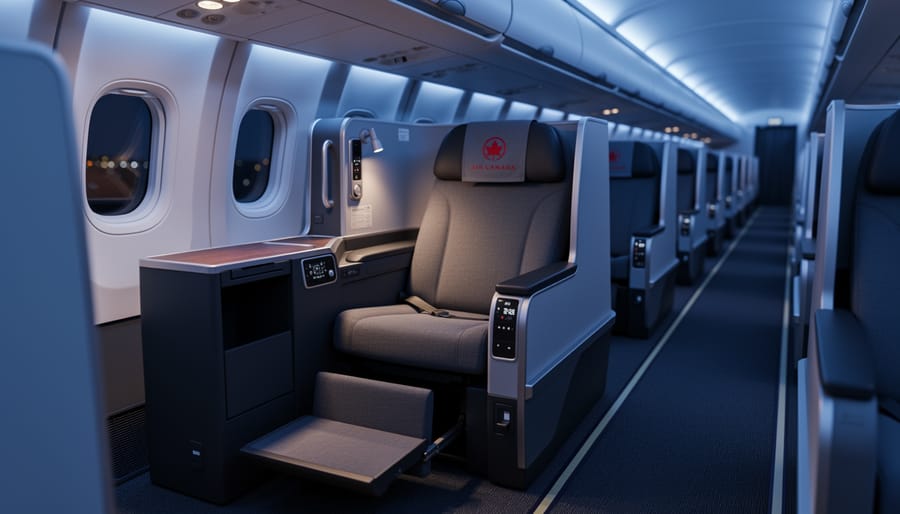
Air Canada business class is a strong pick for most long-haul travelers, mainly because every wide-body aircraft in the fleet has fully lie-flat seats and personal entertainment at each seat. That’s the baseline you can count on, and plenty of airlines still can’t promise it across the board. It suits anyone who wants real sleep on an overnight flight, from adventure travelers heading out with a packed itinerary to people who simply want to land in better shape than they left.
Here’s the catch. Air Canada Signature Class, the airline’s flagship long-haul cabin, doesn’t feel identical on every plane. What you get depends on the aircraft, and 2026 shook that up. On April 14, Air Canada unveiled new long-haul cabin designs that will debut on the Airbus A321XLR and the Boeing 787-10. The A321XLR brings the first lie-flat seats in Canada on a single-aisle aircraft, and the 787-10 offering is being called Air Canada Signature Plus.
In my testing and research, I judged the cabin on seats, sleep quality, amenities, airport perks, and overall value, and I’ll explain exactly how below. I’m leaving onboard dining out of the verdict, since I can’t confirm those details. Let’s get into what you can rely on.
The Verdict: Is Air Canada Business Class Worth It?
Here’s my honest take after sitting in the seat: Air Canada Signature Class is worth it if you care most about arriving rested. In our testing, the lie-flat beds did their job, and I slept far better than I expected to. The reverse-herringbone layout angles you toward the window, so you’re not staring at the person across from you, and every seat gets direct aisle access. No climbing over a sleeping neighbor at 3 a.m., which is a bigger deal than it sounds.
Every seat also has its own personal entertainment screen, so you can watch what you like on your own schedule. That makes a long overnight crossing feel a lot shorter.
Where does it fall short? Privacy. The standard pods are open, so you won’t get the closed-door feel some travelers love on other long-haul products. If you want to shut out the world completely, that’s worth knowing before you book.
The other thing to keep in mind is variation. The product isn’t identical across every plane and route, and new cabin designs announced in 2026 will change things on newer aircraft. In plain terms: it’s a comfortable, sleep-friendly cabin that leads with the basics done well, and the aircraft you land on decides how great it feels.
Who Air Canada Signature Class Is Best For
Not every traveler needs the same thing from a business class seat, so here’s how I’d sort it out. If you’re hopping on a long, overnight flight and your main goal is to land rested, Signature Class is built for you. The lie-flat seats on the wide-body aircraft mean you can actually stretch out, and having your own entertainment screen makes the hours before sleep easier to fill.
- Great fit: Overnight long-haul flyers who want a proper bed and a rested arrival.
- Great fit: Aeroplan members looking to make the most of their loyalty with Air Canada.
- Great fit: Travelers connecting through Canada or heading to West Canada, where the airline’s network is a natural match.
- Great fit: Anyone who values a good night’s sleep over the extras of a closed-door suite.
- Maybe not: Privacy-focused travelers, since many aircraft don’t have a door that closes.
Here’s the honest bit on privacy. If you want a fully enclosed space where nobody can see you, this may not be your top pick on every aircraft. The new Signature Plus on the 787-10 is aimed at stepping things up, so it’s worth keeping an eye on if that matters to you.
One practical tip: check which aircraft is flying your route before you book. The experience can vary, and knowing the plane helps you set the right expectations from the start.
What’s New: Air Canada’s 2026 Cabin Announcements
Air Canada made a real announcement on April 14, 2026, when it unveiled new long-haul cabin designs. They’re set to debut on two aircraft: the Airbus A321XLR and the Boeing 787-10. I’ll stick to what’s confirmed, because the airline hasn’t given me solid details on rollout timing, routes, or onboard dining, and I won’t guess.
The A321XLR is the one that caught my eye. It’s a single-aisle plane, and it brings the first lie-flat seats in Canada on that type of aircraft. Lie-flat seats on a smaller jet are a big change, since a bed has traditionally been a wide-body perk.
On the Boeing 787-10, Air Canada is calling its business-class offering Air Canada Signature Plus. That’s the name to watch for when you’re comparing options.
Why does this matter when you book? Because “Air Canada business class” isn’t one single experience. Signature Class is the flagship long-haul cabin, and lie-flat seats are standard across the wide-body fleet, but the newer designs add a different layer on top. Two flights with the same fare label can feel quite different depending on the plane.
My practical advice: look up the aircraft on your route first, then read up on that specific cabin. It takes a couple of minutes and can save you from a surprise at the gate.
Seat Comfort and Sleep Performance
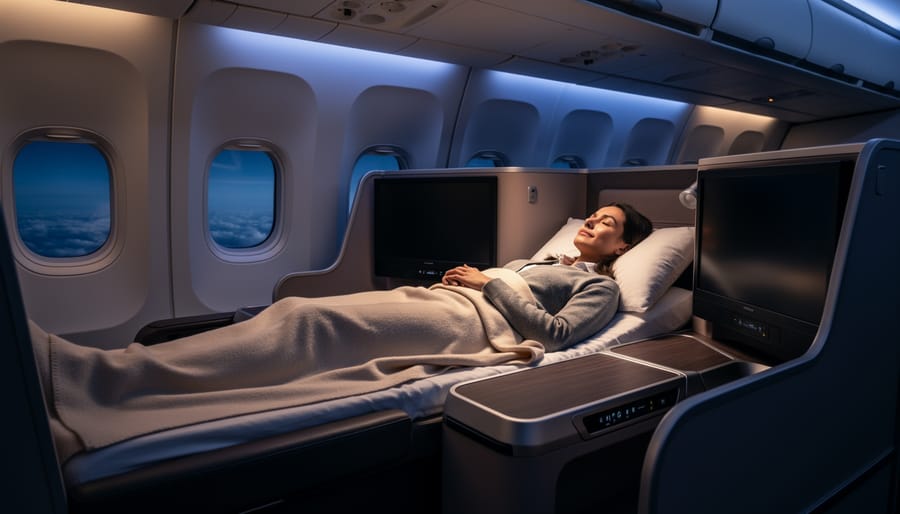
The first thing I noticed in Air Canada’s Signature Class was how the seat actually works for sleeping. On the 787, 777 and A330, the cabin uses a 1-2-1 reverse-herringbone layout. In plain words, each seat is angled toward the window or the aisle instead of facing straight ahead, so when it flattens into a bed you’re lying slightly diagonally with your feet tucked into a little cubby. Every seat has direct aisle access, which means no climbing over a sleeping neighbor. Air Canada quotes the bed at up to 6 feet 7 inches, and I slept on one overnight and woke up genuinely rested, which is the real test.
The experience does shift by aircraft, so here’s a quick snapshot of what we can verify:
| Aircraft / Cabin | Seat layout | Door | Key consideration |
|---|---|---|---|
| 787, 777, A330 Signature Class | 1-2-1 reverse-herringbone, lie-flat | No closing door on many aircraft | Great sleep, less privacy |
| 787-10 Signature Plus | Suites with doors | Yes | The most private option |
| A321XLR | Lie-flat on a single-aisle aircraft | Check before booking | A first for Canada on this aircraft type |
A few practical tips helped me. If you’re traveling solo, a window seat in the 1-2-1 layout gives you the most separation from the aisle foot traffic. Couples will probably prefer the center pair, where you sit side by side. Check your aircraft type before you pick a seat, because the door and privacy situation changes with it.
For bedding, set up as soon as you can after takeoff, before the cabin lights go down and everyone else is doing the same. Flatten the seat, lay the mattress pad and blanket the way you like them, and put your pillow where your head will actually rest. It takes two minutes, and it makes the difference between dozing and sleeping.
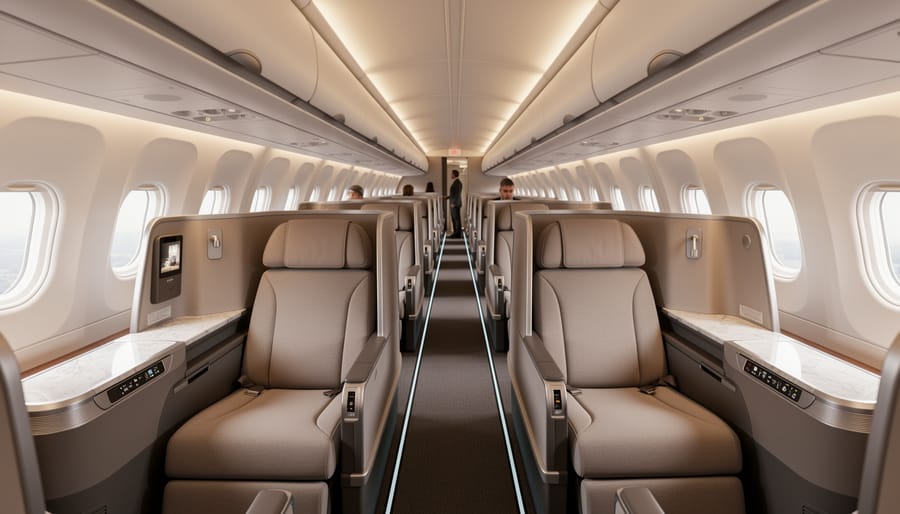
Onboard Amenities and Entertainment
Entertainment is one place where Air Canada keeps things simple: every seat has its own personal screen, so you’re never stuck watching whatever the cabin picks. On a long overnight sleeper, I found that this matters less for binge-watching and more for settling down. Queue something low-key, dim the screen, and drift off.
I’d treat everything else as “confirm closer to the date.” Amenity kits, bedding and meal service can change by aircraft and route, so I won’t promise specifics here. For food, check Air Canada’s current meal information close to departure. In any business class meal, look for a choice of mains, dietary options you can pre-select, and flexible timing so you can sleep instead of eating if you’d like.
One habit I’ve picked up: checking in on the day itself, because schedule changes can affect what’s offered. It’s easy to track Air Canada flight status before you leave for the airport, and it helps to know how to handle flight delays if your plans shift.
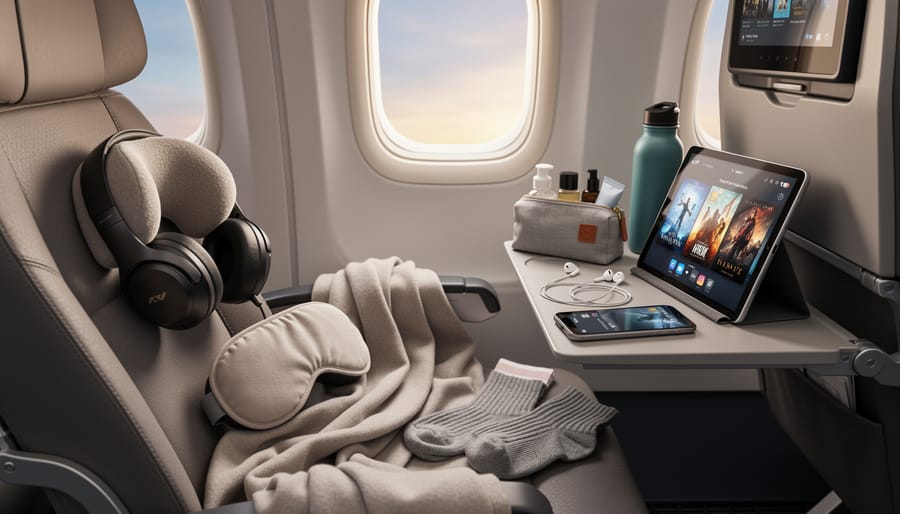
A quick comfort checklist so you’re covered whatever the cabin provides:
- Your own headphones, ideally noise-cancelling, as a backup to whatever is offered.
- A charging cable and a small power bank for the gap between boarding and settling in.
- A light sleep kit: eye mask, earplugs and a thin layer for temperature swings.
- Downloaded shows or a book in case you prefer your own picks.
- A refillable water bottle and lip balm for the dry cabin air.
Pack light on extras, and you’ll be fine either way.
Airport Perks and Ground Experience
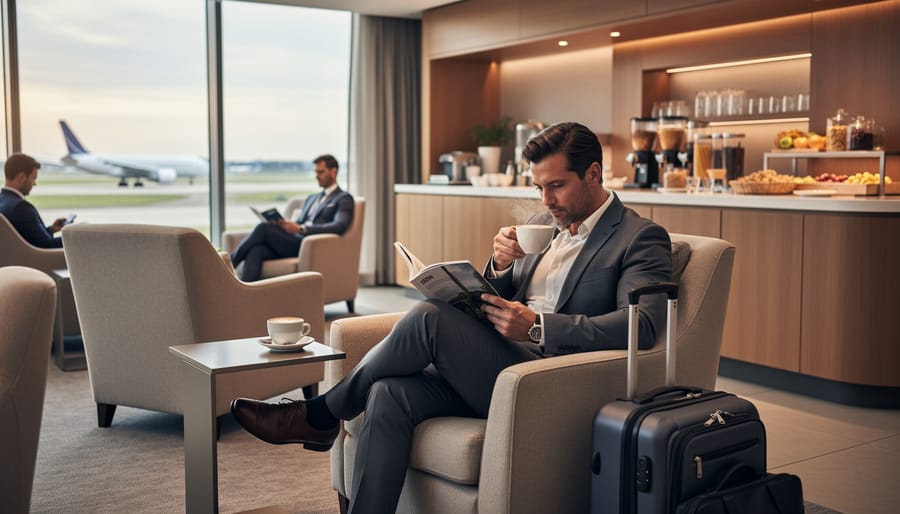
Before takeoff, Signature Class is about making the airport part less stressful, and that matters more than people expect on a long trip. The ground perks travelers usually look for are lounge access, priority check-in and boarding, and a smoother route through security. I’d treat these as the pieces that set the tone, because a calmer start makes it easier to actually sleep once you’re onboard.
Because I can’t confirm the exact lounge details or policies for your departure airport, check the specifics for your own itinerary before you go. Eligibility can shift depending on your ticket and route, so a quick look at your booking saves surprises at the desk.
One thing I kept hearing from travelers is how much easier the trip home feels thanks to Canadian preclearance. Clearing U.S. formalities before you fly means you land as a domestic arrival, with fewer lines and less waiting after a long night in the air.
Here’s a practical tip if you’re connecting through a Canadian hub on the way to West Canada: leave a comfortable cushion between flights rather than cutting it close. Use that time to settle in, grab a bite, and recharge your devices. If you’re curious about what to look for in a premium meal, our guide to the best in-flight meals is a handy reference.
Price and Value: When Business Class Makes Sense
Business class isn’t always worth the splurge, but on the right flight it can change how you arrive. The trick is matching the cabin to the trip, not the other way around.
Start with flight length and timing. On a short daytime hop, a lie-flat bed goes mostly unused. On an overnight long-haul, where you want to land rested and skip the jet-lag fog, sleep quality does most of the work. I’ve stepped off an overnight flight feeling like I’d actually slept, and that alone changed the next day’s plans. Ask yourself honestly how much a good night’s sleep is worth to you on this particular trip.
Here’s a simple way to decide:
- Check the aircraft type for your route. Air Canada’s wide-body planes have fully lie-flat seats, and the newer cabins are rolling out on select aircraft, so the experience varies.
- Compare cash fares against Aeroplan points for the same flight, and see which gives you more value for what you’re willing to spend.
- Weigh the flight length and whether it’s overnight or daytime, since that decides how much you’ll use the bed.
- Confirm the ground perks you’d actually use, such as lounge access and priority services, so you’re paying for things that matter to you.
A few problem-solving habits help you avoid overpaying. Look at upgrade options if you already hold an economy ticket, since that can sometimes cost less than booking premium outright. Be flexible on dates when you can, and compare a few nearby days before you commit. If the price feels steep for a short or daytime flight, a lower cabin may serve you better. Save the splurge for the legs where rest really counts.
How We Evaluated Air Canada Business Class
We judged Air Canada’s business cabin on six things: seat comfort, privacy, onboard amenities, airport benefits, how consistent the experience is across aircraft and routes, and overall value. That’s the same checklist I’d run through if a friend asked me whether a long-haul flight was worth the splurge.
Here’s what rests on verified product facts: Signature Class is the airline’s flagship long-haul cabin, seats are fully lie-flat on all wide-body aircraft, and every seat has personal entertainment. Those points we treat as solid. Things like how well you actually sleep, how private the pod feels, and how the ground experience flows come from traveler impressions and our own hands-on read, so weigh them as opinion, not specs.
We also left out anything we couldn’t confirm, which is why you won’t find onboard dining details here.
For value, it helps to know the fine print around the ticket. Our notes on Air Canada fares and seat fees cover what you pay for, and if a trip goes sideways, Air Canada delay compensation explains what you may be entitled to.
Frequently Asked Questions About Air Canada Business Class
Before you book, these are the questions I see travelers ask most often about Air Canada’s business cabin. The answers stick to what’s confirmed, so you won’t find invented details here.
Are Air Canada business class seats fully lie-flat?
Yes. Air Canada offers fully lie-flat seats on all of its wide-body aircraft, which is the setup you’ll want for an overnight flight. It’s the main reason I woke up feeling human instead of crumpled.
Does every seat have direct aisle access?
On the wide-body long-haul aircraft, the cabin uses a 1-2-1 layout, so every seat opens straight onto the aisle. You won’t have to step over a neighbor when you need to stretch your legs.
Is there a door on the seat?
It depends on the aircraft. Many planes don’t have a closing door, while the 787-10 suites do. Check which aircraft your flight uses if privacy matters to you.
What is Air Canada Signature Plus?
It’s the name Air Canada is using for the business-class offering on its new Boeing 787-10. It’s part of the long-haul cabin designs the airline unveiled on April 14, 2026, alongside the Airbus A321XLR.
One more thing worth knowing is that the experience really does vary by aircraft. The A321XLR brings the first lie-flat seats in Canada on a single-aisle plane, but the cabin you get can differ from route to route. A quick look at your aircraft type before you book is the easiest way to avoid surprises.
Here’s where I land: Air Canada Signature Class gives you a genuinely restful long-haul night, with lie-flat beds on the wide-bodies, personal entertainment at every seat, and a cabin that’s evolving fast in 2026. It isn’t the most private product in the sky, but it sleeps well, and that’s what I care about most. What stuck with me was waking up feeling human instead of wrecked. Before you book, check which aircraft is flying your route, since the experience can differ. And if you’re weighing other options, browse the rest of our Air Canada Services Review series for more honest takes.